Learning to Knit in Japan: From Hand-Knit Lessons to Professional Knitwear Design
DDUJA KNIT JOURNAL · JAPAN · EDUCATION
Learning to Knit in Japan: From Hand-Knit Lessons to Professional Knitwear Design
A person who wants to finish a first sweater, teach hand knitting, or design a collection of machine-made knitwear is not looking for the same classroom. Japan’s learning options make that distinction clear: a structured craft curriculum, a university course built around making, and a specialist fashion-school department each teach “knitting” for a different purpose.
There is no single ladder from beginner to “professional”
When people ask where to study knitting in Japan, the word can point to several very different activities. Hand knitting with needles, crochet, industrial machine knitting, and knitwear design overlap, but they are not interchangeable skills. A class that teaches a learner to read a chart and shape a sleeve may have little in common with training that programs a computerized knitting system or prepares a garment for production.
The institutions described here illustrate three useful routes. The Japan Handicraft Instructors’ Association (JHIA) offers a staged curriculum in needle knitting and crochet, with assessed work and instructor development. Wayo Women’s University lists a practical “Knit Basics” course in its 2026 syllabus. Bunka Fashion College’s Knit Design Department treats knitting as a specialist branch of fashion education, connecting yarn and fabric construction to patternmaking, garment production and design. These examples are not a national ranking, and they do not form one standardized qualification framework. Each answers a different educational question. [1][2][3]
That difference matters before enrolment. A university credit, a school diploma, a private association certificate and a workshop completion note are issued under different rules. A course may be excellent without being a government licence; a course title containing “knit design” does not, by itself, tell you whether students learn hand techniques, industrial machinery, or both. The useful questions are more concrete: What will students make? Which tools and machines will they use? How is their work assessed? Who issues the final document?
Learning by making: JHIA’s hand-knitting courses
JHIA’s current course information separates needle knitting from crochet instead of treating them as one general craft. Its entry-level courses are available by correspondence and in person. Learners can continue to an instructor course, where garment drafting receives more attention, and then pursue higher, in-person stages. The association describes a route from beginner study through instructor training and instructor-level work; completing instructor courses in both crochet and needle knitting is a prerequisite for its hand-knitting semi-master course. Its master-level recognition has additional training requirements. The details belong to JHIA’s own curriculum and recognition system, not to a government-issued teaching licence. [1]
The educational value of this structure is the sequence of practice and feedback. The course combines text and short instructional videos; students submit photographs of work through the course app, receive comments from an instructor, and revise assignments where needed. A learner is not simply asked to watch a demonstration and move on. The official course information describes repeated checking of practical pieces and a progression from foundation work to more demanding projects. That matters in knitting because a tiny error in cast-on tension, increases or finishing can become much more visible in a garment than in a small swatch. [1]
At the beginner stage, the goal is to make the basic operations intelligible: how stitches form, how a chart represents those stitches, and how increases and decreases alter the shape of fabric. At the instructor stage, drafting and calculation help students move from following a pattern toward planning a garment for a particular size. The learner’s notebook, swatches and finished work become evidence of decisions—not just proof that yarn was used. In practical terms, a good swatch record notes yarn and needle size, stitch and row gauge, the measured area, and what changed after washing or blocking.
There is also a boundary between learning and authorization to teach. JHIA says that graduates seeking to teach its curriculum need the relevant instructor certificate and must separately join the association. That is a clear example of how an educational pathway can connect to an organization’s teaching network while remaining distinct from a public occupational licence. Anyone considering the route should check current course requirements, membership rules and the scope of teaching support directly with JHIA. [1]
A university elective that ends in a beret and vest
A different kind of learning appears in Wayo Women’s University’s official 2026 syllabus. “Knit Basics” is listed as a first-year, first-semester elective practical course worth one credit. It is not presented as a degree in knitting or as a professional qualification. Instead, it gives students a compact, assessed experience of both needle knitting and crochet within a broader university course of study. [2]
The course outline names the skills a beginner actually needs: casting on, knit and purl stitches, chain stitch, single crochet and double crochet; reading charts; and understanding how increases and decreases change a fabric’s shape. Students make a beret and a vest. The order is instructive. Crochet begins with chains and basic stitches, then circular work and shaping; the later needle-knitting sessions introduce cast-on, knit and purl, followed by gauge and garment construction. The course ends not at the isolated stitch but at two objects that require a learner to connect technique, shape and finishing. [2]
That makes the syllabus a small but useful case study in how craft knowledge enters higher education. A one-credit elective cannot stand in for a multi-year specialist programme, and its published outline does not tell us how many students enrol or what they do after the course. It does, however, show that the learning outcomes are expressed as observable actions: make a basic fabric, interpret a symbol chart, understand gauge, and complete assigned projects. For a reader choosing a short course, that is a good standard to apply: look for the techniques and finished work named in the syllabus, not only an appealing course title.
Bunka Fashion College: knitwear as a design profession
At Bunka Fashion College in Tokyo, the Knit Design Department sits inside a fashion-school structure. The college currently describes the department as a two-year specialist stage following the Fashion Engineering Foundation course; taken together, the route is three years. Its course page lists an intake capacity of 40 and welcomes students who are new to knitting. Because recruitment figures and curricula can change, prospective students should use the school’s latest admissions guide rather than treat a web page as a permanent guarantee. [3]
The published curriculum makes clear why this is not simply an advanced hand-knitting class. In the specialist stage, students study knitwear forms, the structure and function of the knit industry, yarn and knitted fabric, and different kinds of knitting machines. They then learn the patternmaking and sewing methods particular to knit garments. The school’s year-by-year description moves from material and construction toward design: students study traditional knit garments from around the world, cultural contexts and modern design history, then develop ideas through varied materials and stitch structures. Product exercises connect design to marketing and merchandising, while a dedicated computer system takes students from knitwear design toward production. [3]
This sequence changes what “being good at knitting” means. A hand knitter may judge a project by gauge, drape, fit and finishing. A knitwear designer must also ask how a fabric can be produced consistently, how the garment will be constructed, how the yarn and machine affect the result, and how a design becomes a marketable product. Bunka’s public course description places hand knitting and computer knitting in the same educational picture, but it does not collapse them into one technique. It frames them as different tools in a larger design process. [3]
That makes the programme useful to compare with association-based craft study. JHIA’s path is organized around personal technique, assessed pieces and the ability to teach within an association curriculum. Bunka’s department trains students to develop knitwear as a fashion product, from material and fabric to pattern, garment and production. Neither is a more “serious” version of the other. They prepare learners for different work.
Self-study, workshops and what a certificate can—and cannot—say
Not everyone needs a multi-year course. A local workshop can solve a precise problem—short rows, lace charts, sock heels or a finishing method—and regular making with a group can provide the accountability that solitary practice lacks. A pattern library or video can also support self-study, especially when the learner can compare a swatch with a clearly written sample and ask questions in a community. These experiences can be valuable without awarding a formal qualification.
Images of Japan’s older knitting culture help explain why learning materials matter. Kuroda Seiki’s painting Knitting (circa 1890) and Shirataki Ikunosuke’s Knitting Girl (1895) are individual works of art: they show people represented while knitting, but they do not prove how common the practice was or what the sitters’ lives were like. A 1908 manual, Shugei to Amimono (“Needlework and Knitting”), offers a different kind of evidence. Its contents list tools, crochet basics, dolls, bags, shawls, socks and garments. A book’s table of contents cannot tell us how every reader learned, but it does show how printed instruction organized techniques and projects for home use. [4][5][6]
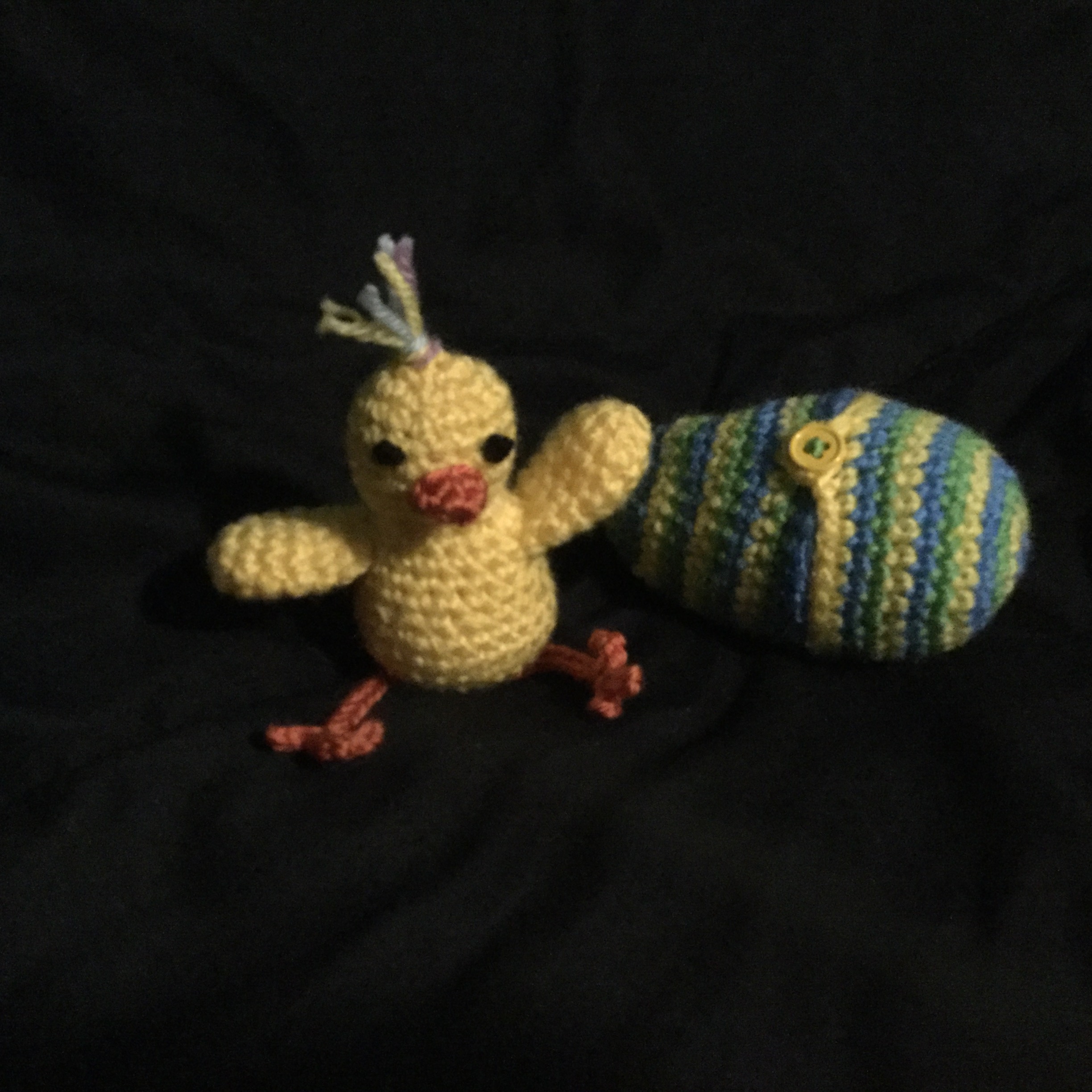
A contemporary amigurumi toy and a set of crochet tools can serve as study objects too. Look at how separate pieces create volume, where increases and decreases shape a curve, how the hook size affects density, and how attachment points affect balance. Those observations are useful whether a learner is in a classroom or working at home. They are not evidence that a particular Japanese school uses those objects in its curriculum; the captions identify them as comparison images. [7][8]



How to choose a course that fits your goal
Before enrolling, ask the provider for the current syllabus and compare the learning experience—not just the name of the certificate. A beginner who wants to knit garments needs patient correction of tension, shaping and finishing. A future teacher needs practice explaining a technique, reading another person’s work and correcting errors. A designer needs a wider understanding of yarn, stitch structure, machines, garment construction and production. These goals can overlap, but one course rarely covers them all to the same depth.
- If you want to make garments: check whether the course includes gauge, measurement, shaping, assembly and finishing—not only stitch samples.
- If you want to teach: ask how assignments are assessed, whether there is teaching practice, what registration follows completion, and who recognizes the credential.
- If you want to design knitwear: look for yarn and fabric study, patternmaking, machine access, computer-aided knit design, garment construction and product-development work.
- If you want to learn for pleasure: a short class or self-paced course may be enough. Ask what materials to bring, how much individual feedback is offered and whether the project suits your current skill level.
For any route, record the course year, total teaching hours, practical work, assessment method, teacher support, fees and cancellation terms. Curricula, admissions and course delivery can change; the official syllabus for the relevant year is stronger evidence than an old blog post or a school’s promotional summary. If a credential is advertised as “professional” or “certified,” find out whether it is issued by a public authority, an educational institution or a private association. That one distinction can save a great deal of confusion.
Japan’s examples show that learning to knit can mean developing a reliable personal practice, earning recognition within a craft association, or learning to design and produce knitwear. The best path is the one whose assignments, tools and assessment match the work you hope to do. When you next pick up a pattern, look beyond the finished shape: ask what the learner had to understand about gauge, structure, materials and construction to make it.
Sources and image credits
- Japan Handicraft Instructors’ Association, current knitting-course curriculum, learning stages, submission and assessment information.
- Wayo Women’s University, 2026 web syllabus: “Knit Basics.”
- Bunka Fashion College, Knit Design Department: programme length, curriculum and learning outcomes.
- Kuroda Seiki, Knitting, circa 1890; Kuroda Kinenkan file record, source and public-domain terms.
- Kōran Joshi, editor, Shugei to Amimono (1908), National Diet Library scan and public-domain record.
- Shirataki Ikunosuke, Knitting Girl (1895), Koriyama City Museum of Art file record and public-domain status.
- Lskbrown, Amigurumi Chick (2021), CC BY 3.0.
- Akiko 88, crochet and amigurumi tools (2014), CC BY-SA 3.0.
Research and writing: DDUJA KNIT. The historical images are contextual illustrations, not photographs of the current courses described above. Course names, schedules, admissions and assessment rules can change; confirm them with the institution before applying. This English edition is adapted for English-speaking readers rather than translated sentence by sentence.