 AROUND THE KNITTING WORLD
A world of knitting,
one thread at a time.
Thoughtful stories about the people, places, objects and traditions behind knitting. Take your time, follow a thread, and discover a wider world.
 01COUNTRIES
Knitting by Country
Start with a featured story from each of 28 countries, then explore local records, makers and works.
Explore this section ↗ 02PEOPLE & MAKERS
Knitting People
Meet the designers, teachers and makers who shaped patterns, tools and communities.
Explore this section ↗ 03OBJECTS & TECHNIQUES
Works & Techniques
Look closely at construction, motifs, materials and techniques through surviving work.
Explore this section ↗ 04HISTORY & ARCHIVES
History & Archives
Trace knitting through museum catalogues, pattern books, factory records and surviving garments.
Explore this section ↗ 05CULTURE & COMMUNITY
Culture & Community
Explore how knitting connects work, care, local memory and community life.
Explore this section ↗ 06QUALIFICATIONS
Knitting Qualifications
Compare craft certificates, professional credentials and academic qualifications country by country.
Explore this section ↗ 07EDUCATION
Knitting Education
Explore how people learn knitting—from workshops and guilds to schools and higher education.
Explore this section ↗Knitting by Country
View all (28) ↗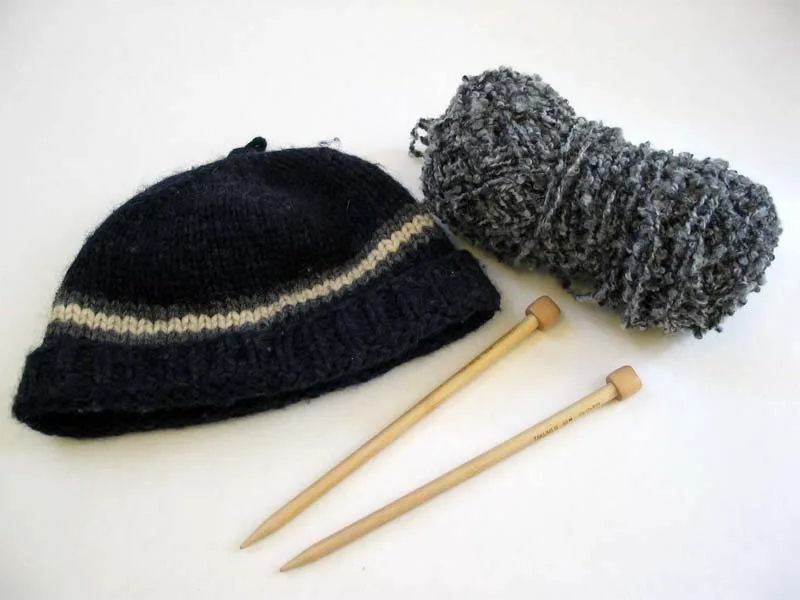
KAMA in Czechia: From Domestic Hats to Prague Production
Explore KAMA’s domestic beginnings and Prague production, then read the AW41 hat through its wool-acrylic blend, membrane, lining and care information.
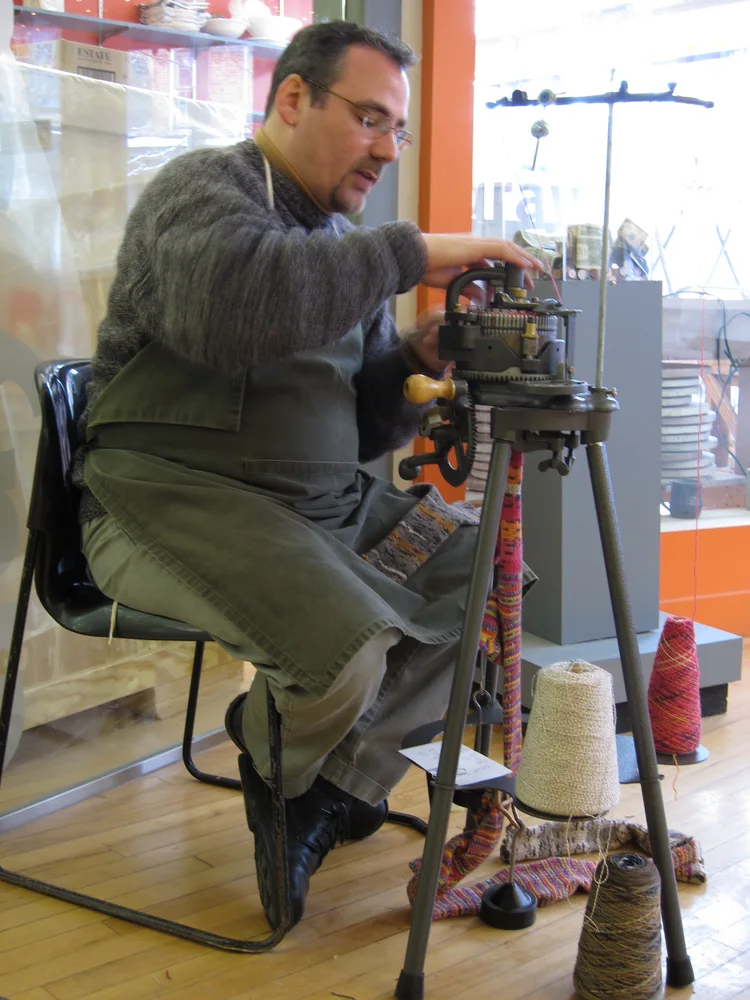
RITO in Ukraine: Knitting, Hand Embroidery and the Work Behind a Garment
Read RITO’s 1991 beginnings, Kyiv knitting education and an embroidered wool jumper through the separate work of knitting, decoration, finishing and repair.
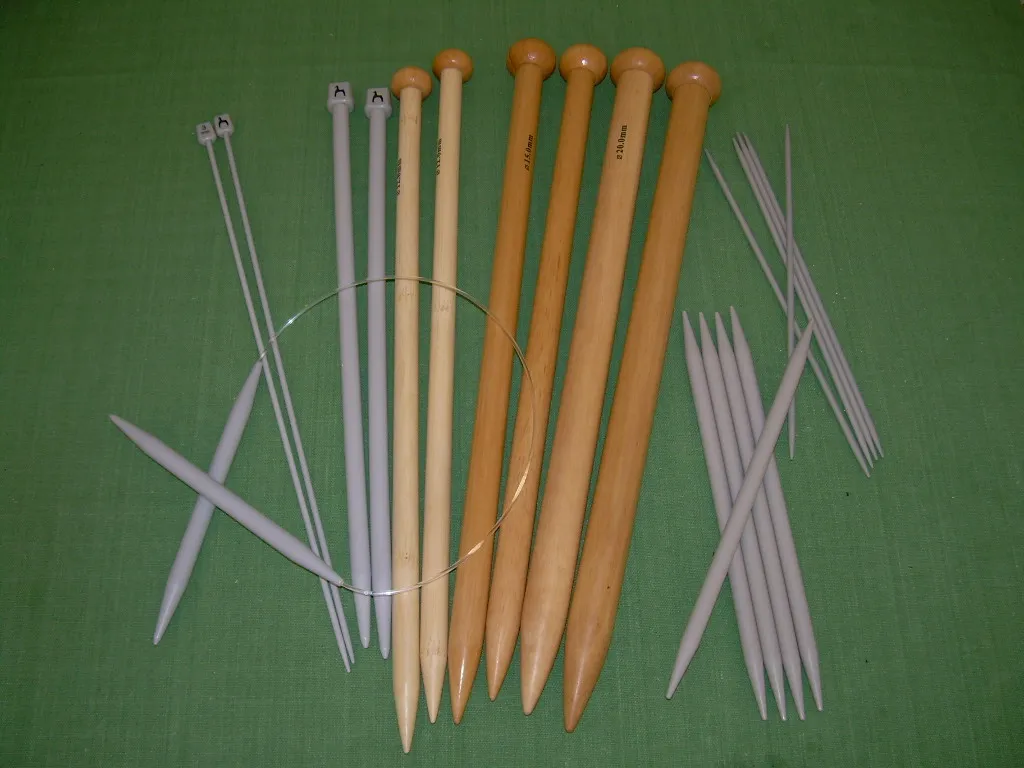
Knitting in Malaysia: Joanne Loh, Summer Tops and the Work of Writing Patterns
Read Joanne Loh’s summer top, beanies, pom-pom scarf and lion-dance charm through their materials, gauge and assembly, with Malaysian textile museum context.
Knitting People
View all (37) ↗
When a Face Opening Froze: Reading Edgeworth David’s Antarctic Knitted Balaclava
A preserved wool balaclava and David’s 1909 Antarctic diary show where face and neck edges met wind, breath and ice, while the historical pattern…

When a Shawl’s Edge Changes: Reading Orenburg Down Knitting Through Museum Records
Read Orenburg down shawls through a museum collection: the Butovsky family’s 40-gram cobweb, changing fringed and pointed edges, and the named makers behind openwork…
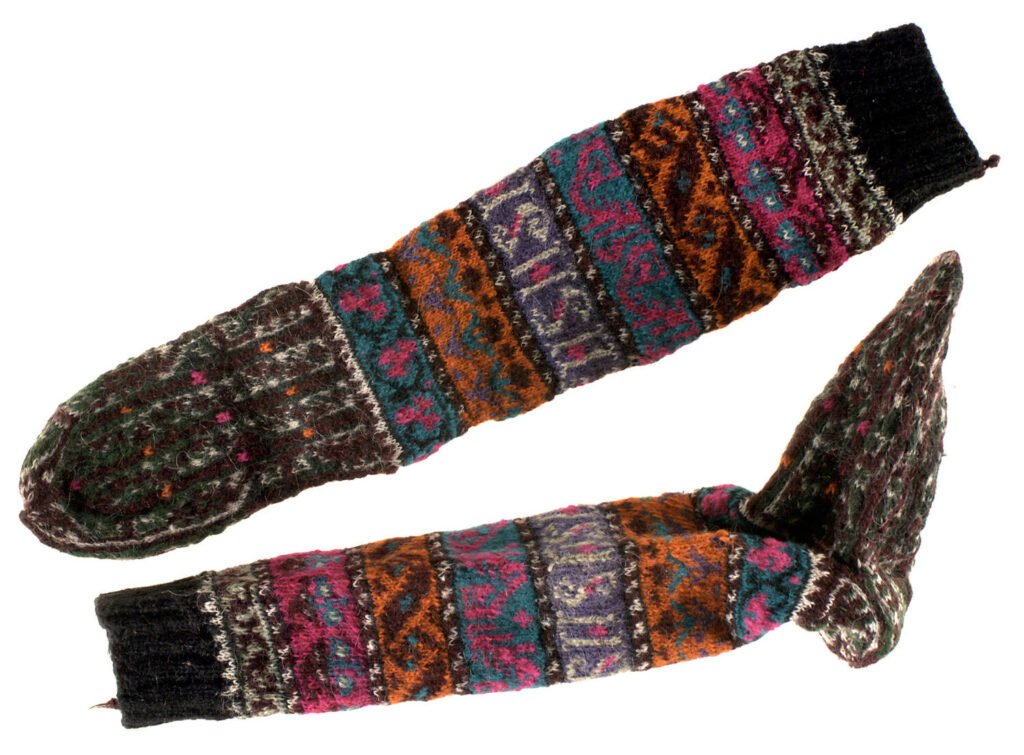
A British Researcher’s Antarctic Socks: What Stripes and Boots Can Prove
A museum record identifies George Rayner’s striped hand-knitted Antarctic socks, but the surviving boots and field portrait answer different questions. Seven primary records and…
Works & Techniques
View all (39) ↗
What Can a Small Knit Tell Us? Reading Amsterdam Foundling Clothing Records
Amsterdam Museum foundling garments reveal what an old knit records—and what it cannot. Five original object records and six individually CC0-identified photographs separate a…

Two Pairs of a King’s Stockings, One Knitted: Reading Seventeenth-Century Swedish Dress
Two pairs associated with Gustav II Adolf reveal different construction: silk loops, gauge and fastening holes around 1620; plain-woven linen cut on the bias…

Was the Name on the Stocking or on Its Label? Reading American Knitting Records, 1782–1809
Can a 1790 New York stocking tell us who knitted it? Compare Cleveland, Colonial Williamsburg and Met records to see what technique, fiber, initials…
History & Archives
View all (72) ↗
What Does “Knitting Hats” Leave Out? Public Making at Buenos Aires’s Costume Museum
Read Buenos Aires costume museum gatherings from 2016 to 2022 through six rights-checked photographs. Distinguish needle knitting from crochet, and planned donations from reported…
What Can a Small Knit Tell Us? Reading Amsterdam Foundling Clothing Records
Amsterdam Museum foundling garments reveal what an old knit records—and what it cannot. Five original object records and six individually CC0-identified photographs separate a…
Two Pairs of a King’s Stockings, One Knitted: Reading Seventeenth-Century Swedish Dress
Two pairs associated with Gustav II Adolf reveal different construction: silk loops, gauge and fastening holes around 1620; plain-woven linen cut on the bias…
Culture & Community
View all (49) ↗What Does “Knitting Hats” Leave Out? Public Making at Buenos Aires’s Costume Museum
Read Buenos Aires costume museum gatherings from 2016 to 2022 through six rights-checked photographs. Distinguish needle knitting from crochet, and planned donations from reported…
What Can a Small Knit Tell Us? Reading Amsterdam Foundling Clothing Records
Amsterdam Museum foundling garments reveal what an old knit records—and what it cannot. Five original object records and six individually CC0-identified photographs separate a…
Two Pairs of a King’s Stockings, One Knitted: Reading Seventeenth-Century Swedish Dress
Two pairs associated with Gustav II Adolf reveal different construction: silk loops, gauge and fastening holes around 1620; plain-woven linen cut on the bias…
Knitting Qualifications
View all (28) ↗
Knitting Qualifications in Uruguay: UTU, INEFOP and Skills Recognition
This guide distinguishes UTU module certificates, INEFOP-supported training and Uruguay Certifica workplace skills assessment using official sources, with practical questions to verify before enrolling.

Knitting Qualifications in Switzerland: STF Diplomas and Federal Textile Credentials
A source-checked guide to Switzerland’s STF knitwear diploma, federal EFZ and professional textile routes, and a short knitting-machine course—with clear distinctions between their awards.

Knitting Qualifications in Germany: The Recognised Craft Apprenticeship and Meister Path
Germany recognises a three-year dual craft apprenticeship with a dedicated knitting specialisation. See what training and the Gesellenprüfung cover, how the Meister route differs,…
Knitting Education
View all (30) ↗
Lydie Leymann’s Sock: From Swiss Hand Knitting to Melbourne Needlework Lessons
A Swiss hand-knitted sock made around 1910, Lydie Leymann’s migration to Melbourne, and the sewing folio and certificates that document a different needlework education.

Learning to Knit in Albert Anker’s Paintings: Between School and Home
Five paintings by Swiss artist Albert Anker reveal knitting between classroom lessons and family care. Museum and collection records separate what the paintings show…

Knitting Education in New Zealand: Association Courses, Textile Design and School Study
Explore New Zealand knitting routes—from Creative Fibre workshops and design certificates to Massey’s knitted-textile course, school textiles and wool-industry study.