Movana Chen: Four Ways of Knitting Books, Letters and Conversations
Knitting a book sounds metaphorical. In Movana Chen’s practice, strips of paper literally become knitting material. Sentences that once continued across pages are interrupted, while another kind of connection appears. Who read the book, who spent time making together, and whose body enters the knitted form become ways of reading it anew.
Her official biography identifies Hong Kong and Lisbon as her bases and describes a practice using books, maps, dictionaries and letters. This feature follows four strands of that work, comparing their material, scale and forms of participation. The embedded photographs provide real context for place, paper, books and tools. Follow the artist and museum links to see the actual artworks.

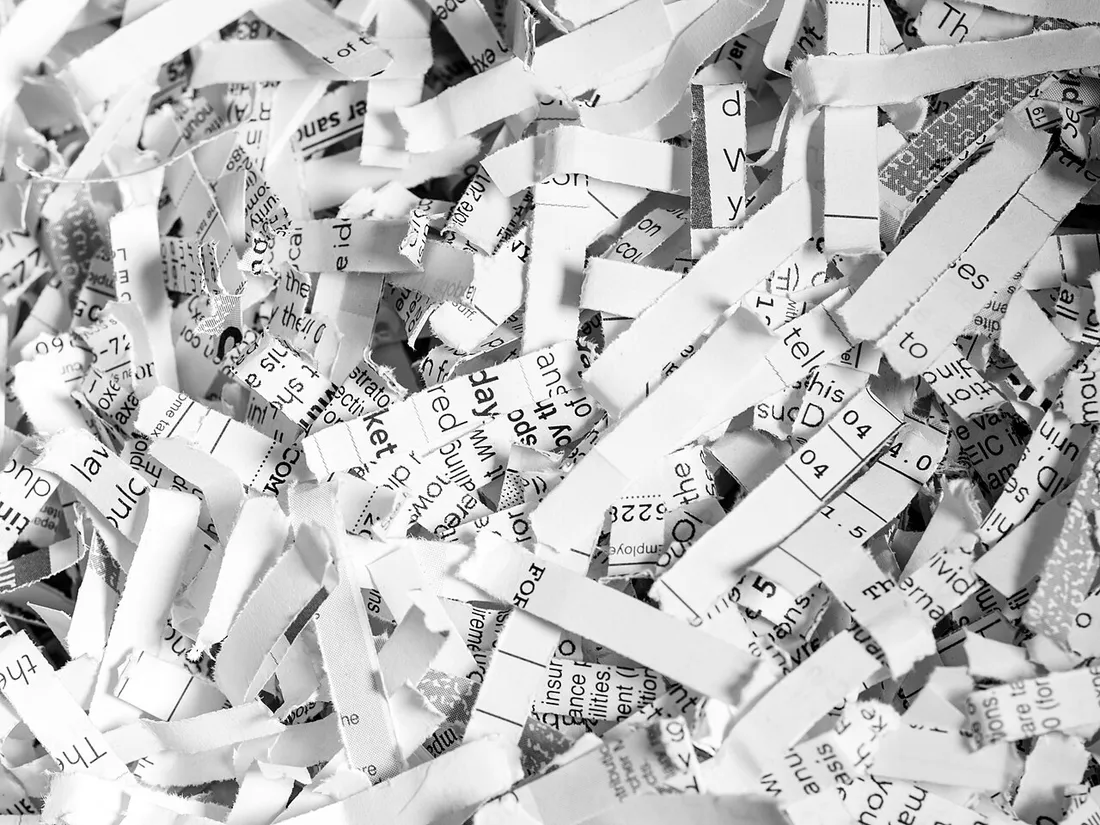
From shredded documents to Body Containers
In a 2024 M+ interview, Chen recalls shredding documents for her family business during SARS and making a first dress from a favourite magazine. M+ dates that starting point to 2003 and describes Body Containers as a series pursued since 2005. Reducing the story to recycling misses questions about the body’s dimensions, movement and visibility.
The same interview discusses a 2021 container in relation to the pandemic’s two-metre distancing. That date belongs to a particular development, not the entire series. When looking at the actual photographs, trace where the knitted surface follows a body and where it extends beyond it. Do its openings separate inside from outside completely, or leave them visible to one another? These are questions for observation, not a claim that every work has an identical meaning.
Travelling into Your Bookshelf: ownership becomes connection
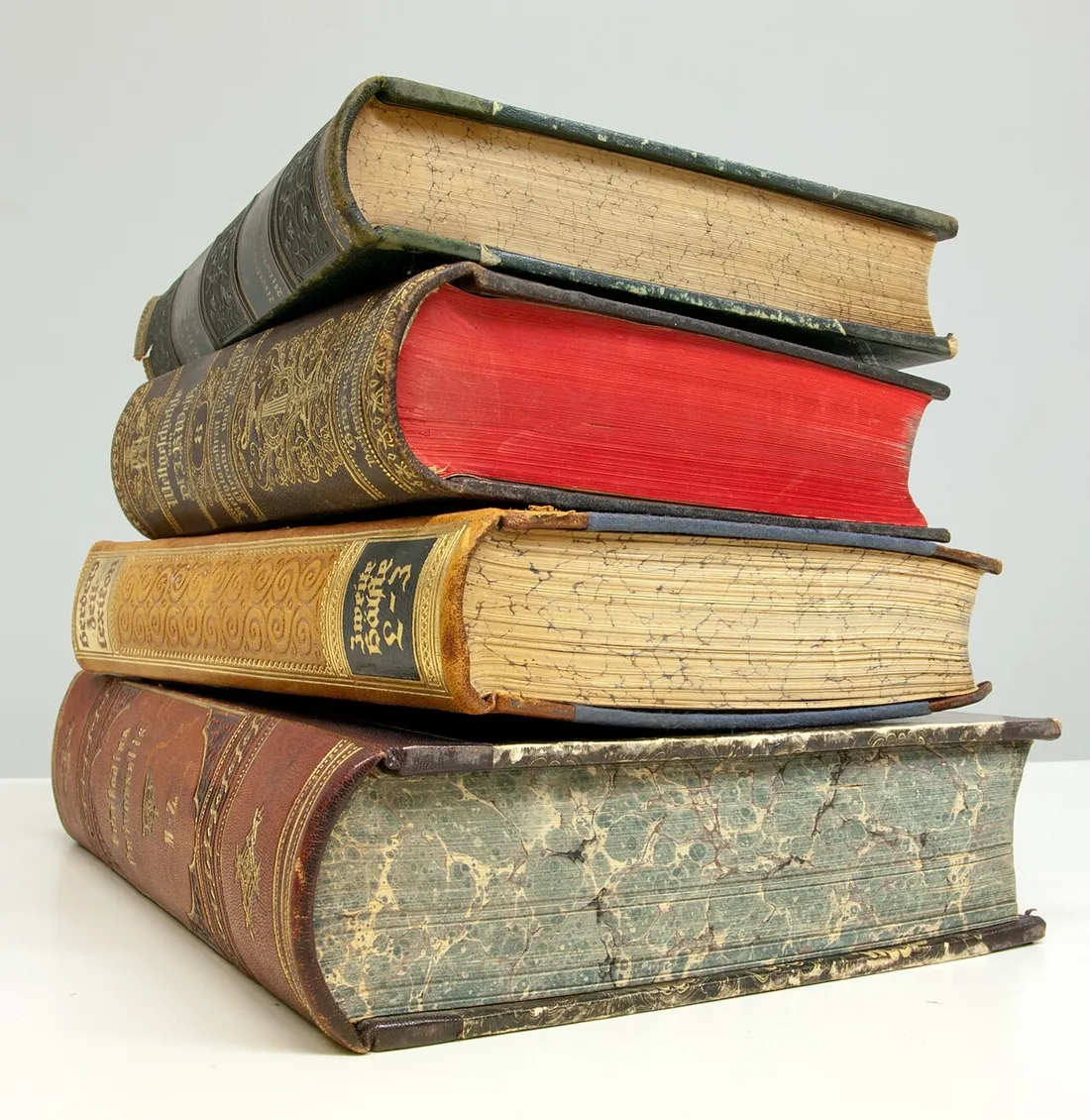
The artist’s project page and performance photographs date this ongoing project to 2009. Books and encounters with other people supply its material. A 2017 Joshua Tree caption gives dimensions of 2,000cm long by 40cm wide for the knitted shredded books shown there. Those dimensions describe that documented work, not a fixed specification for every manifestation of the series.
Twenty metres alongside forty centimetres suggests more than simply “large”: the work has a long direction and a relatively narrow width. Its proportions differ from the rectangular spread of an open book. Compare the numerical description with the official photograph, where a body and surrounding space help make its scale intelligible.
Finding surviving words is only one approach. When the original reading order becomes difficult to follow, paper colour, fragments of print and connections between strips may come forward instead. Preserving a book intact and transforming it into a record of relationships are different choices. Calling the result beautiful recycling alone overlooks the significance of altering something a donor valued.
Knitting Conversations: beginning, completion and redisplay
The artist’s exhibition account records an initial exhibition in 2013, followed by work in several cities and completion in Los Angeles in 2017. M+ records its subsequent exhibition in the Focus Gallery from 17 February to 18 August 2024, the completed work’s first presentation in Hong Kong. Creation, completion and museum display therefore have distinct dates. The 2024 show is a past exhibition, not a current visitor listing.
In her 2024 M+ essay, curator Tina Pang explains that participants contributed meaningful books and their reasons for choosing them. Chen read the books before transforming them into strips, and participants also knitted. Looking at the finished hanging and hearing someone explain a book’s importance are different experiences. An installation photograph cannot recover every conversation behind it.
Ask separately who selected the material, who formed the stitches, and who determined how the completed object would be presented. The label “participatory” can obscure these different roles if it stands in for a description of them. Acknowledging many makers is a beginning; understanding what each contributed takes closer attention.
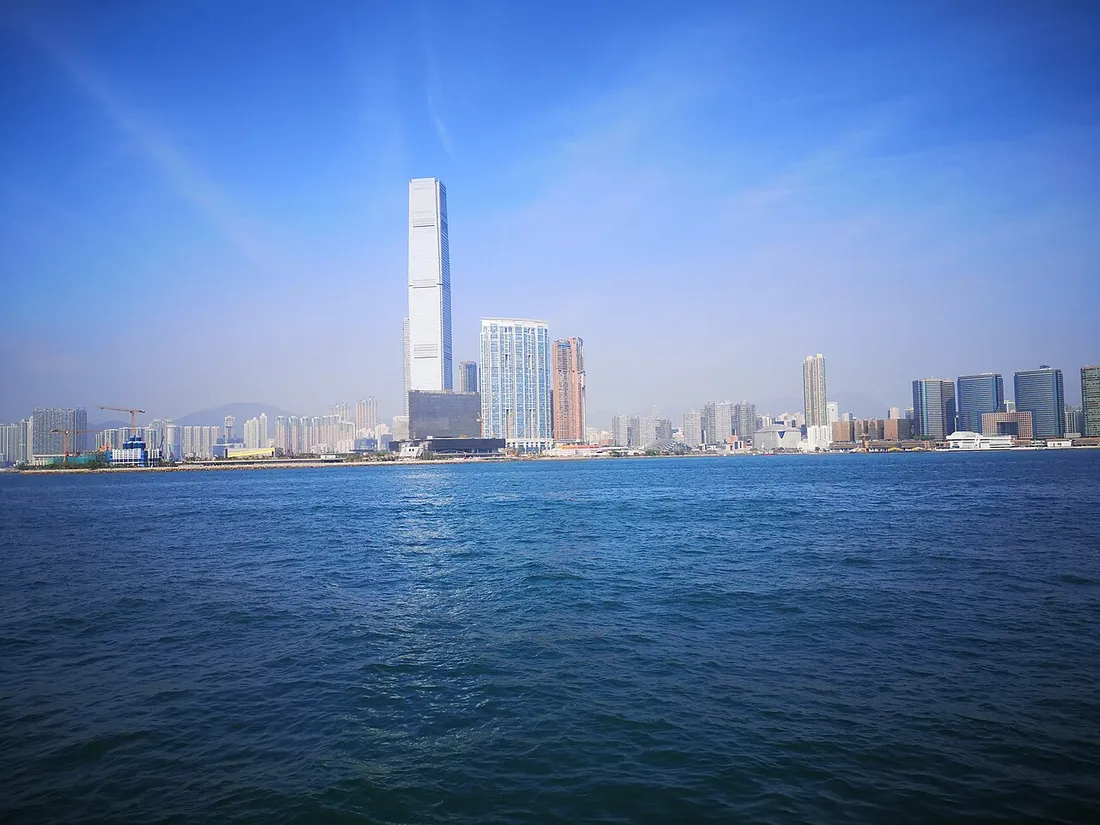
Compare the whole surface in the official photographs with its small details. At one distance it reads as a large installation, at another as broken print and points of connection. The M+ photograph below identifies a place. The actual 2024 exhibition views, linked above, are the evidence for the work’s hanging, lighting and relationship to its gallery.
Love Letters: intimate time at a smaller scale
The official Words of Heartbeats record and artwork photographs describe the Flowers Gallery Hong Kong exhibition of 28 March–11 May 2024 and more than 180 handwritten letters spanning 1989–2023. Its caption for the 2023 group Love Letters #1–15 gives 13×21cm for each work. That is neither the size of every original letter nor a universal dimension for later works.
Set these small objects beside the travelling bookshelf project and the scale of remembrance changes. One offers extended length in space; the other encourages close attention within a modest area. Handwritten paper carries marks of someone writing as well as verbal content. After cutting and knitting, those traces remain in a different state from an openly readable letter.
Illegibility need not be a failure. Understanding a work made from private correspondence does not require knowing every relationship between senders and recipients. Titles, dates, materials and visible forms can be examined without inventing unpublished personal stories. What remains unspoken deserves attention alongside what is available to view.
A viewing notebook for people who knit
These four strands connect paper and knitting without doing the same thing. Body Containers directs attention to bodily boundaries; Travelling into Your Bookshelf to length and movement; Knitting Conversations to time spent making together; and Love Letters to the distance between private records and public viewing. This is an editorial framework for comparison, not a substitute for the artist’s own accounts.
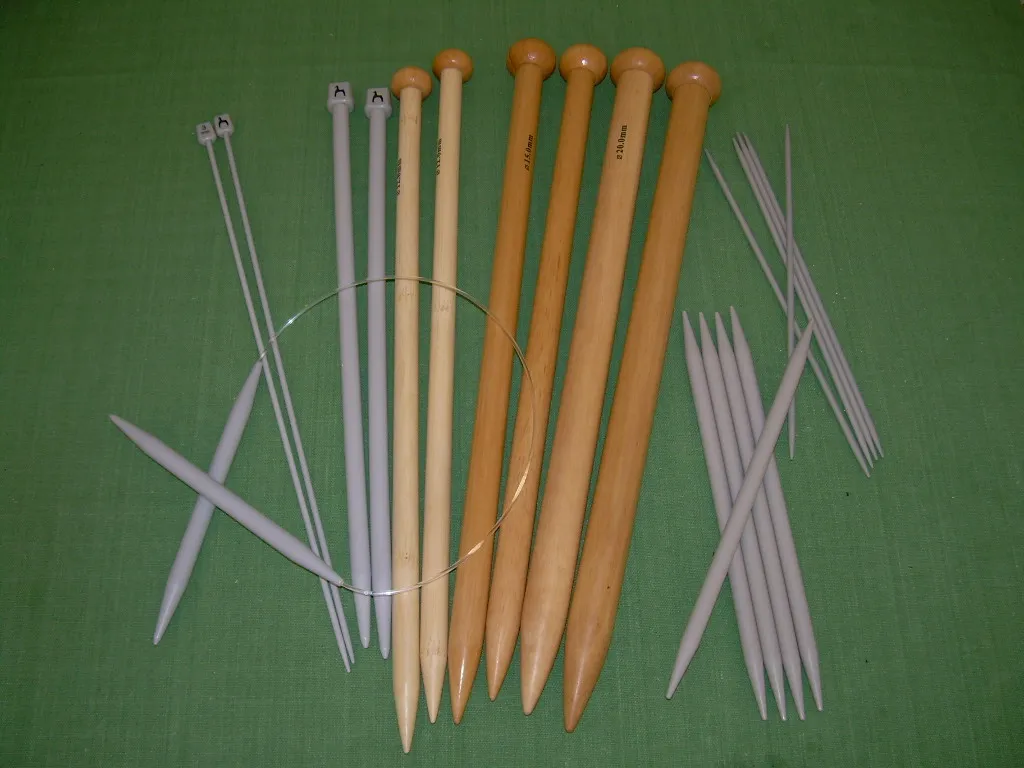
Start a notebook with four columns: material, dimensions, participants, and dates of making and display. A photograph alone does not establish needle size, strip width or stitch count. This feature offers no pattern for reproducing Chen’s work. It asks how a familiar making action can become another way of encountering books and people.
Hong Kong, a donated book, a saved letter and a gallery audience are not interchangeable backgrounds. Each carries a different time and relationship. Following the work means attending to what changes during its making, and what survives that change, as carefully as to the completed form.
Primary sources and photograph notes
- M+ · Movana Chen: Knitting Communities, Unravelling Boundaries (30 December 2024)
- Movana Chen · Travelling into Your Bookshelf
- Movana Chen · Knitting Conversations 2024
- M+ · Movana Chen: Knitting Conversations (2024 exhibition)
- Movana Chen · Words of Heartbeats / Love Letters
- Tina Pang, M+ · The Lives of Others (9 August 2024)
- Movana Chen · About
Checked 14 October 2026. The 2024 exhibitions are discussed as past events. All five embedded images are real, rights-checked context photographs; no AI images are used. Actual artworks, performances and exhibition views are available through the official links. Their photographs are not reproduced here because an open reuse permission was not established.