Dodo Socks and Rubizhne: Rebuilding Knitting Production in Lviv
A colourful sock catches the eye as a picture. Producing it also requires yarn, adjusted machinery, finishing and inspection. Dodo Socks and the Rubizhne Hosiery Manufactory bring those less visible relationships into view: a design partnership between cities became a problem of reconnecting skills, people and production in a new place.
This is a specific case of industrial knitting, not an origin story for all Ukrainian hand knitting or a free sock pattern. Read it through the different roles of a brand and a manufacturer, the dates of a restart, and the questions a finished textile can prompt.
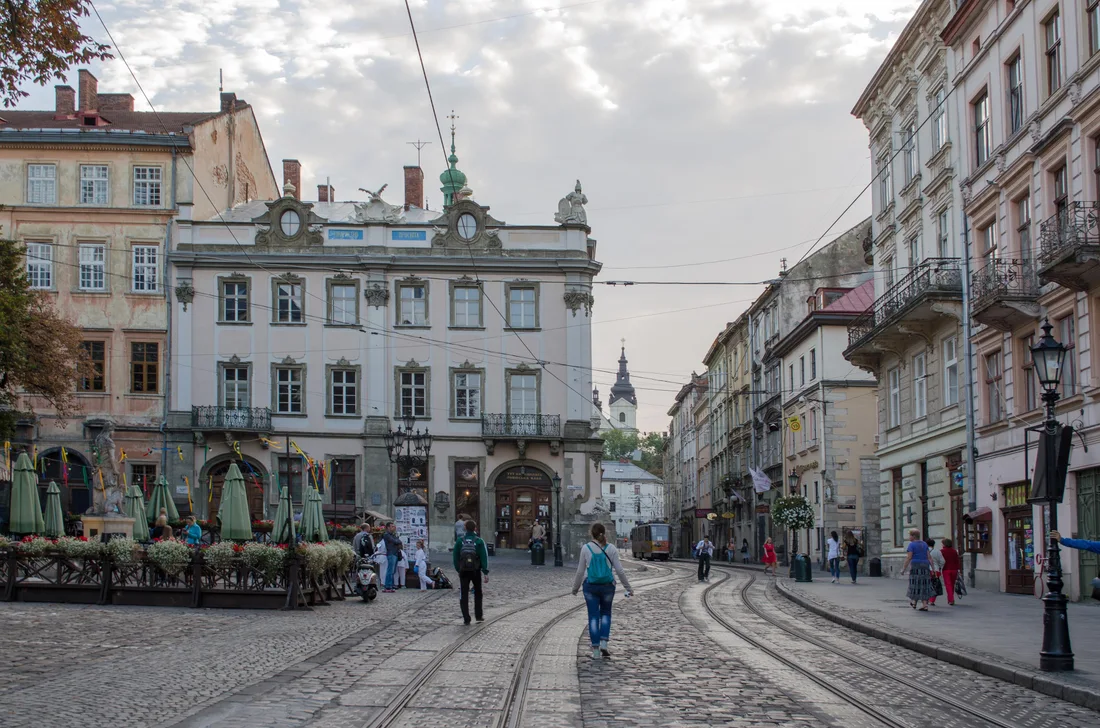
Who proposes colour, and who turns it into fabric?
Ukraїner’s 2020 field report identifies Marta Turetska, Andrii Pliasun and Roman Shuper, dating their own-design sock production to 2015. The brand’s account looks back to sourcing volunteer socks in 2014 and dates its Rubizhne partnership to 2017. These describe different stages: an initial encounter, making their own products, and finding a manufacturing partner.
The earlier interview describes a bicycle motif and the search for a broader yarn palette. It introduces the business developed by brothers Hennadii and Oleh Misiurenko from the 1990s and dates the Lviv team’s first Rubizhne visit to November 2018. Naming the manufacturer alongside the designers makes a different history visible.
A sketch does not answer every production question. Is the desired colour available as yarn? Can a small motif remain legible? What happens to its appearance when the fabric is worn? How will many pairs be assessed consistently? These are useful design questions, not a claim to possess the company’s unpublished specifications. Separating them gives substance to the idea of collaboration.
Delivery, installation and restart are different events
A 22 September 2022 regional release records preparations in Lviv and twenty knitting machines still awaited, financed by Dodo Socks. A 6 October district release reports delivery and installation, with full operation expected that month. The 2024 follow-up interview retrospectively dates the start of production to October 2022.
Those records form a sequence. An announcement about installing equipment is not proof that recovery was complete that day. Space, materials, power, workers and orders must connect before production can be sustained. Reading the dates carefully keeps a complex restart from becoming a single triumphant moment.
Counts also need units. The September release mentions fifteen employee families; the brand’s later account says seventeen families. The follow-up describes seventeen people moving with their families. Different dates and formulations prevent treating these as one directly comparable employment series. Moving a household and filling a job are connected but distinct matters.
Skill extends beyond an equipment list
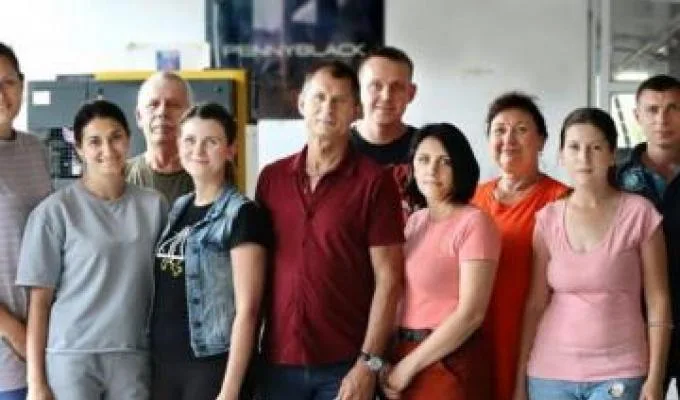
The October administrative release lists knitting, sewing-equipment and knitwear-forming roles separately. These are historical vacancies, not an invitation to apply today. They make the division of work visible: a completed textile involves more than one undifferentiated skill.
The later field report records forty-eight machines and fifty-four team members at the time, while describing recovery as ongoing. Its inspection account includes defects and asymmetrical motifs. These are dated observations, not confirmed 2026 totals. A larger machine count alone cannot establish restored capacity, utilisation or quality.
Consider what you can and cannot learn from a finished pair. A full photograph conveys the overall colour arrangement, but not every stitch or the feel of the finishing. The apparent position of a motif may change when worn. Separate impressions of design from observations about production: instead of writing only “high quality”, identify the feature on which that judgement rests.
Four things to notice in your next sock or pattern
First, examine placement. How do ankle and instep motifs relate? What repeats when the pair is placed together? A design may deliberately make the two socks different. Establish the intended arrangement before calling a difference a defect.
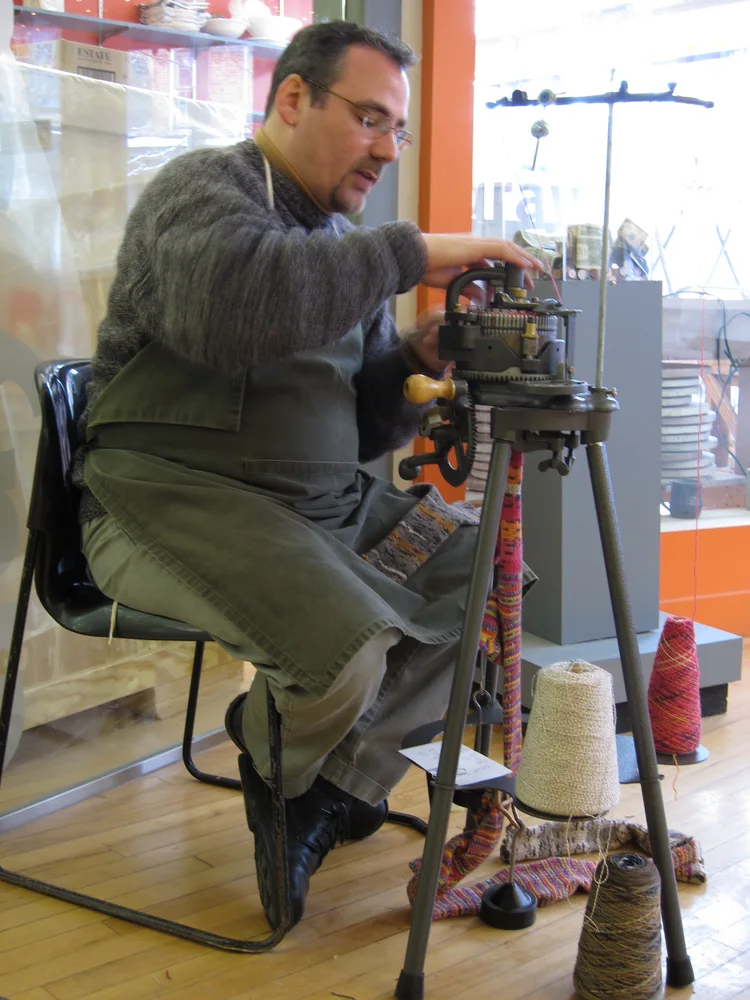
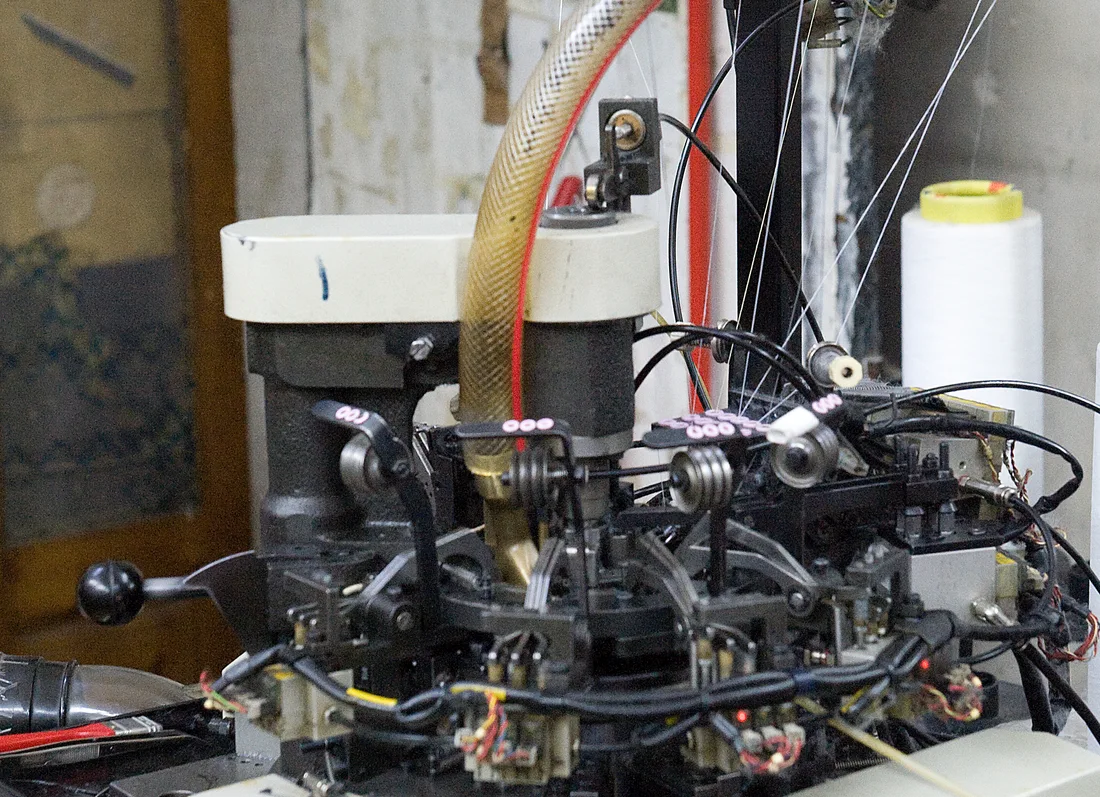
Second, distinguish fibre information from visible structure. A soft-looking surface cannot establish a fibre percentage. Consult the specific product label or official description rather than borrowing details from another model. Do not invent gauge, needle count or yarn specifications from a photograph. The comparison images here do not identify machinery used by the Ukrainian factory.
Third, when reading a pattern, check the repeat and the finished measurements separately. A chart describes an arrangement; it does not automatically establish fit. Follow the gauge and sizing conditions of the actual pattern rather than reverse-engineering stitch counts from a branded product photograph. The illustration below is explanatory artwork, not a calculated knitting chart.
Fourth, read place and authorship together. Cultural references, design decisions and manufacturing experience describe different contributions. Keeping the Lviv brand alongside the experience carried from Rubizhne makes the partnership more intelligible. It also encourages attention to the conditions required to make good things repeatedly, beyond a single image of resilience.
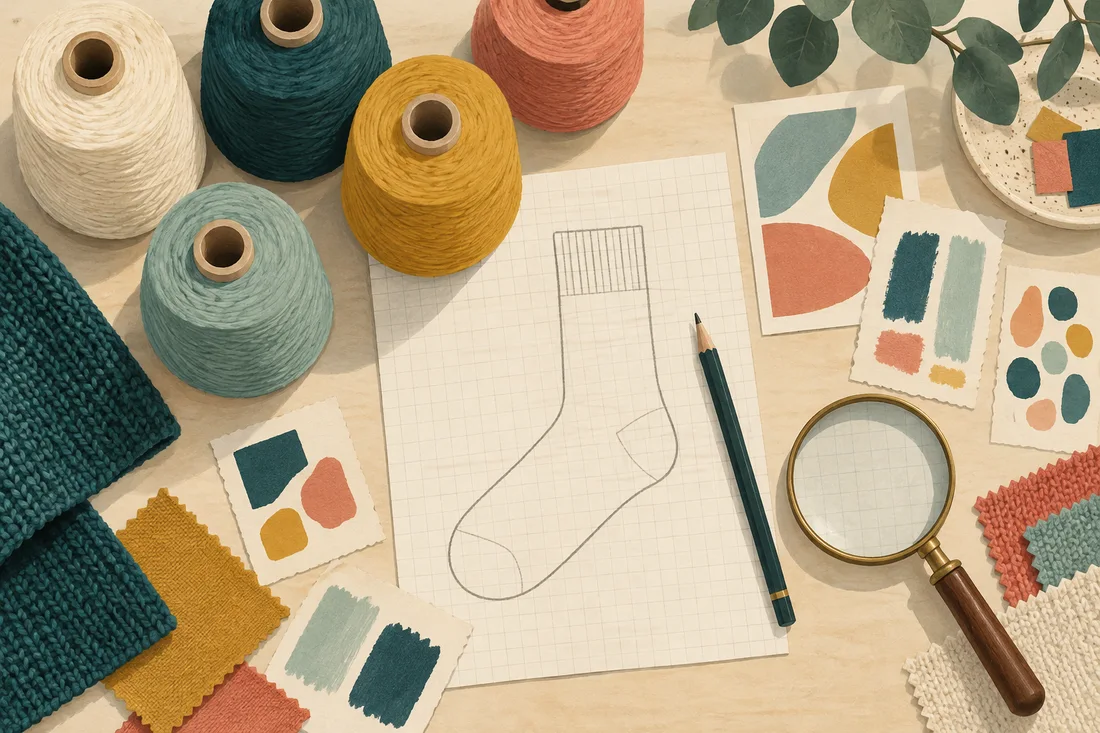
The next time a bright sock draws your attention, ask what materials, processes and relationships sit behind its picture. This partnership does not stand for every Ukrainian textile tradition. It provides a concrete way to see how design, technical knowledge and the foundations of everyday life can meet in a small object.
Primary sources and image notes
- Ukraїner · Lviv–Rubizhne: The socks that sew Ukraine together (2020)
- Ukraїner · Dodo Socks та Рубіжанська панчішна мануфактура: почати заново (2024; updated 2025)
- Dodo Socks · About the Brand / Our Story
- Luhansk regional administration · Pre-orders and restart preparations (22 September 2022)
- Shchastia district administration · Equipment delivery and installation (6 October 2022)
Checked 14 October 2026 against two original field reports, the brand’s account and two administrative releases. Historical figures are not estimates of present production. Four real photographs and one AI explanatory illustration are used. City and overseas machine references are labelled separately from the administrative report’s photograph. Ukraїner’s factory photographs are linked rather than reproduced without verified written permission.