What Does “Knitting Hats” Leave Out? Public Making at Buenos Aires’s Costume Museum
Bring a ball of yarn into a museum and the visitor can become a maker. At the Museo Nacional de la Historia del Traje in Buenos Aires, public textile gatherings created that scene repeatedly. A 2016 account names women who brought skills learned at home. A 2017 report follows a young man who had put his needles aside after learning from his grandmother. Photographs from June 2018 show hands and yarn in the same museum. These records are tempting to compress into one timeless story about “knitting for charity.” Doing so would erase both the different methods at work and the difference between a planned donation and a documented result. This article reads needle knitting, crochet, intentions and reported outcomes separately, while asking what a museum courtyard made possible.[1][2][3][7]
One museum, several years
In June 2016, Argentina’s culture ministry reported that 50 women and girls, aged ten to 72, met for the museum’s third solidarity textile gathering. The stated purpose was to make wool hats and neck warmers for Fundación Sí. Norma arrived with yarn and knitting needles and worked on a hat. Miriam taught her daughter and goddaughter crochet. Ana, Beatriz and Lilian worked with tricot needles. Their charitable purpose was shared, but the tools and structures of their stitches were not identical. The ministry’s report itself supplies the distinction; there is no need to infer that every object in the courtyard was needle knitted.[1]
The ministry’s 2017 field report describes another gathering and records a result of 150 hats intended for the Darío Santillán children’s snack centre in Buenos Aires. That figure belongs to 2017, not to 2016 or 2018. The report says more than 40 women and one man attended. Gastón, then 21, recalled learning to knit from his grandmother at eight, leaving the practice for years, and taking it up again for this meeting. Rosario, a Uruguayan participant, remembered learning crochet, two-needle knitting and machine knitting from her mother and aunt. These are accounts of named people and their own learning paths. They do not establish a single national pattern, nor do they make every participant’s technique interchangeable.[2]
An announcement for the fifth gathering on 9 June 2018 invited people to make wool hats and neck warmers that would be donated to a nonprofit. It gave the museum’s address as Chile 832 and the time as 2–7 p.m. An invitation written before an event cannot establish how many pieces were completed or when anything was handed over. The culture ministry’s official Flickr album documents the gathering visually and describes its charitable aim. The photographs, however, are not an inventory of finished hats or proof of delivery. Keeping the notice’s future tense apart from the event photographs preserves the limits of each source.[3][7]

Photo 1. A shared making scene at the museum on 9 June 2018; the view does not establish that everyone used the same technique. Photograph by Kaloian / Ministerio de Cultura de la Nación, individual photo page, direct image file, CC BY-SA 2.0. Original image unchanged.
Reading the tools in a photograph
The Spanish word tejido can cover more than one kind of textile making. A heading that calls an event a knitting meeting therefore does not settle the method used in every photograph. The 2016 article explicitly separates crochet from tricot; Rosario’s 2017 account distinguishes crochet, two needles and a machine. In general, needle knitting maintains live loops across needles and transfers them as the work grows. Crochet draws loops through with a hooked tool. The difference is structural even when the yarn and the social setting are the same. Neither the word tejido nor a view of a hat alone tells us its precise stitch pattern.[1][2]
One 2018 image gives a close view of two knitting needles working multicoloured fabric. It supports a narrow, concrete claim: needle knitting was present in this photographed event. Another picture shows purple yarn and a grey hat, but does not identify the hat’s method. A participant holding a red sweater cannot be turned into evidence that this sweater was made that day, much less into one of the planned donated hats. The pictures show participation and tools. They do not supply fibre analysis, stitch counts, gauge, measurements, a production date for every object, or a donation receipt.[7]

Photo 2. Two needles and a multicoloured work in progress are visible; the exact stitch pattern is not verified. Photograph by Kaloian / Ministerio de Cultura de la Nación, individual photo page, direct image file, CC BY-SA 2.0. Original image unchanged.

Photo 3. Yarn and hat are visible. The picture alone does not establish whether the hat was needle knitted or crocheted. Photograph by Kaloian / Ministerio de Cultura de la Nación, individual photo page, direct image file, CC BY-SA 2.0. Original image unchanged.

Photo 4. A participant holds a red sweater. It is not identified here as a donated hat or as an object finished that day. Photograph by Kaloian / Ministerio de Cultura de la Nación, individual photo page, direct image file, CC BY-SA 2.0. Original image unchanged.
From a museum courtyard to a wider programme
A different museum announcement, for September 2018, invited Hombres Tejedores de Argentina to teach a crocheted granny module. That is not a row of two-needle knitting, and the September meeting is not the June solidarity event. The notice says the group formed in October 2017 to challenge gender stereotypes by working in public. This is evidence of how the collective and museum presented their purpose. It does not tell us the motives of every attendee or how many modules were completed that afternoon.[4]
In a 2020 retrospective, the ministry described the museum’s Saberes Compartidos series, running since 2017, moving from in-person meetings to an online format. Museum director Victoria Salías discussed participants exchanging materials, tips and stories. Her account helps explain how the institution understood the gatherings as occasions for sharing knowledge as well as making objects. The retrospective also covers embroidery, dyeing and crochet. Those activities matter to the museum’s programme, but it would be inaccurate to relabel them all as needle knitting.[5]
A 2022 government announcement then named proposals at the Costume History Museum, the Casa Natal Sarmiento museum in San Juan, and the Roca and Casa de Yrurtia museums in Buenos Aires. San Juan participants planned to make small textile sections for blankets intended for charitable donation. The Hombres Tejedores collective was listed for Casa de Yrurtia; artist Lucila Castaño for Museo Roca. This document shows the announced geographical spread of public making, not that a particular blanket was later completed or that every venue used a particular needle technique.[6]
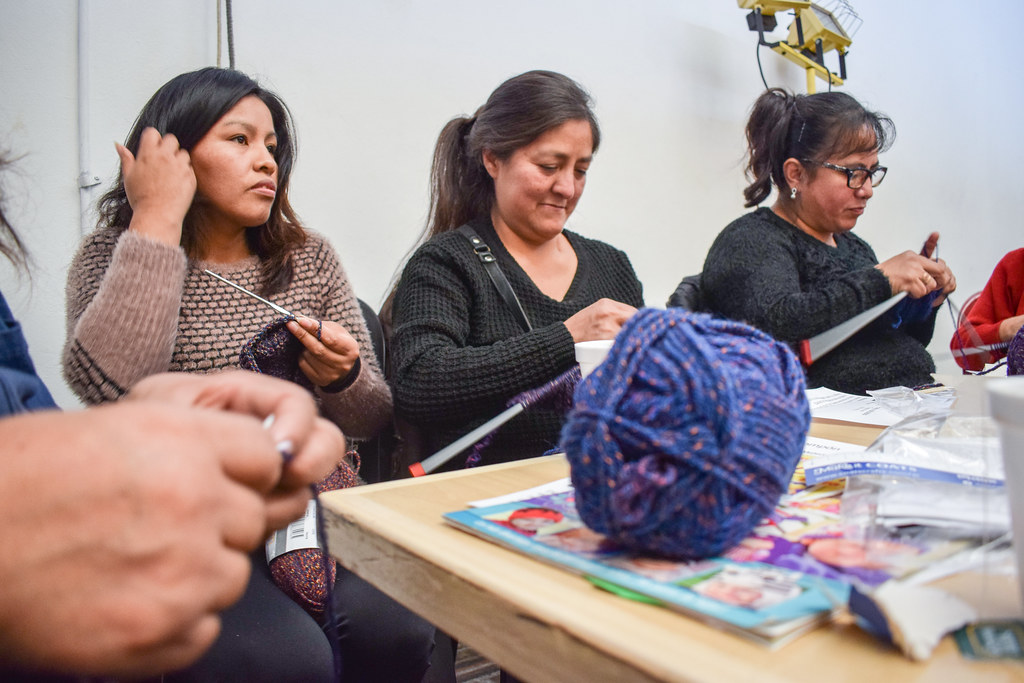
Photo 5. A shared worktable in June 2018. This view does not establish each person’s method. Photograph by Kaloian / Ministerio de Cultura de la Nación, individual photo page, direct image file, CC BY-SA 2.0. Original image unchanged.
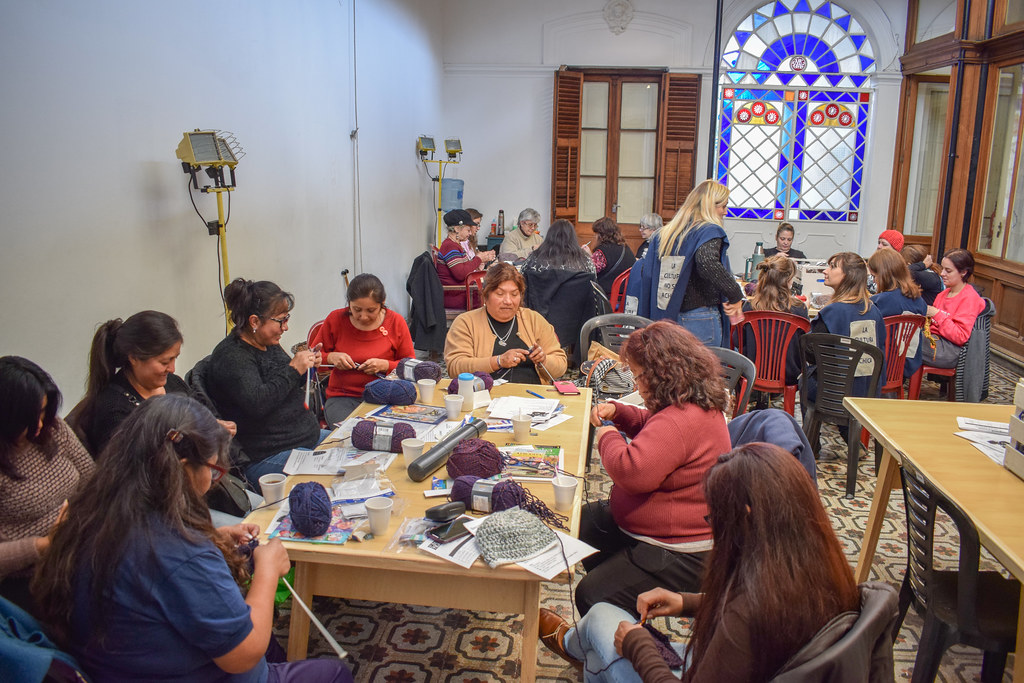
Photo 6. Another view of the same June 2018 event, not a separate historical gathering. Photograph by Kaloian / Ministerio de Cultura de la Nación, individual photo page, direct image file, CC BY-SA 2.0. Original image unchanged.
Questions to take to the next pattern
The most useful observation in these records is more precise than “many hats were knitted.” In 2016, a shared charitable goal brought crochet hooks and knitting needles into the same courtyard. In 2017, a report gave a hat count while still describing donation in the future tense. Six photographs from 2018 show different views of one event. Later documents describe knowledge-sharing online and public proposals at several museums. Arranged by date and by type of evidence, the records reveal both the movement of yarn and the movement of people without turning plans into outcomes.[1][2][3][5][6][7]
The same questions help when reading a pattern or an archive photograph: can the tool actually be seen? Does the source say tricot, crochet or neither? Is this a work in progress, a finished item, an invitation or a report? Was a donation intended or documented as delivered? Leaving unverified stitch counts and gauges blank is a more exact way to respect the makers’ work. This museum story is also distinct from this journal’s earlier article on a red scarf carried by an Argentine migrant family in 1965: the people, period, evidence and central question differ.
Primary sources
- Argentina’s culture ministry, 2016 field report on the third solidarity making meeting.
- Argentina’s culture ministry, 2017 gathering results and participant accounts.
- Argentina’s culture ministry, June 2018 notice for the fifth meeting.
- Argentina’s culture ministry, September 2018 notice for the collective’s crochet meeting.
- Argentina’s culture ministry, 2020 retrospective on museum knowledge-sharing meetings.
- Argentina’s government, 2022 announcement of public making activities.
- Argentina’s culture ministry Flickr album of the June 2018 museum gathering. Each used photograph’s own page, direct file and licence are linked under that image.