What Does a Pullover Mean When It Is Made for a Bird? Mónica Giron’s Ajuar para un conquistador
Published · Updated

An unfamiliar wearer
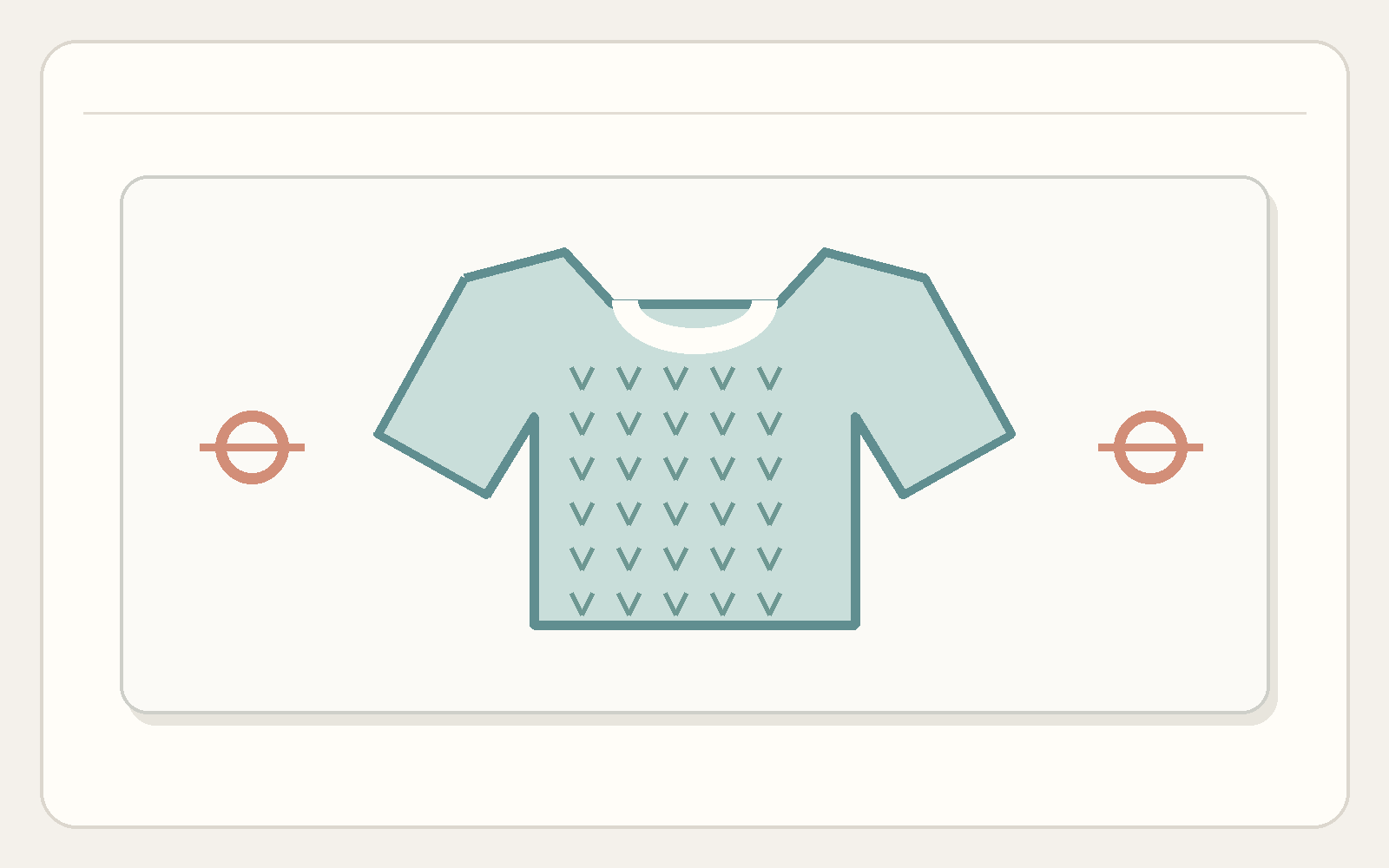
The word pullover usually supplies its own missing figure: a person with a head, shoulders and arms. A glove suggests a hand. Mónica Giron’s Ajuar para un conquistador unsettles that convenient picture by giving familiar garment names to pieces described as clothing for birds. In Fundación Proa’s exhibition account, small garments for a condor, a hummingbird and a caburé patagónico are made with merino wool and buttons. The account identifies the method as tejido a dos agujas, knitting with two needles.[1] The surprise of the work lies partly in this pairing. The material and the vocabulary of knitting remain recognisable; the imagined wearer changes.

It is easy to turn that surprise into a single invented scene. The records resist it. Giron’s own work page labels one detail as a pullover and gloves for a Cauquén cabecigrís; another entry describes a view of the installation in Havana in 1994 and mentions pullovers, socks and scarves for Patagonian birds.[2] Proa’s bird list and the artist’s caption do not necessarily describe the same garment or a complete inventory. Neither two photographs nor a short exhibition paragraph tells us how many individual pieces existed. A useful reading begins by asking which object each caption actually names.
Two dates that do different jobs
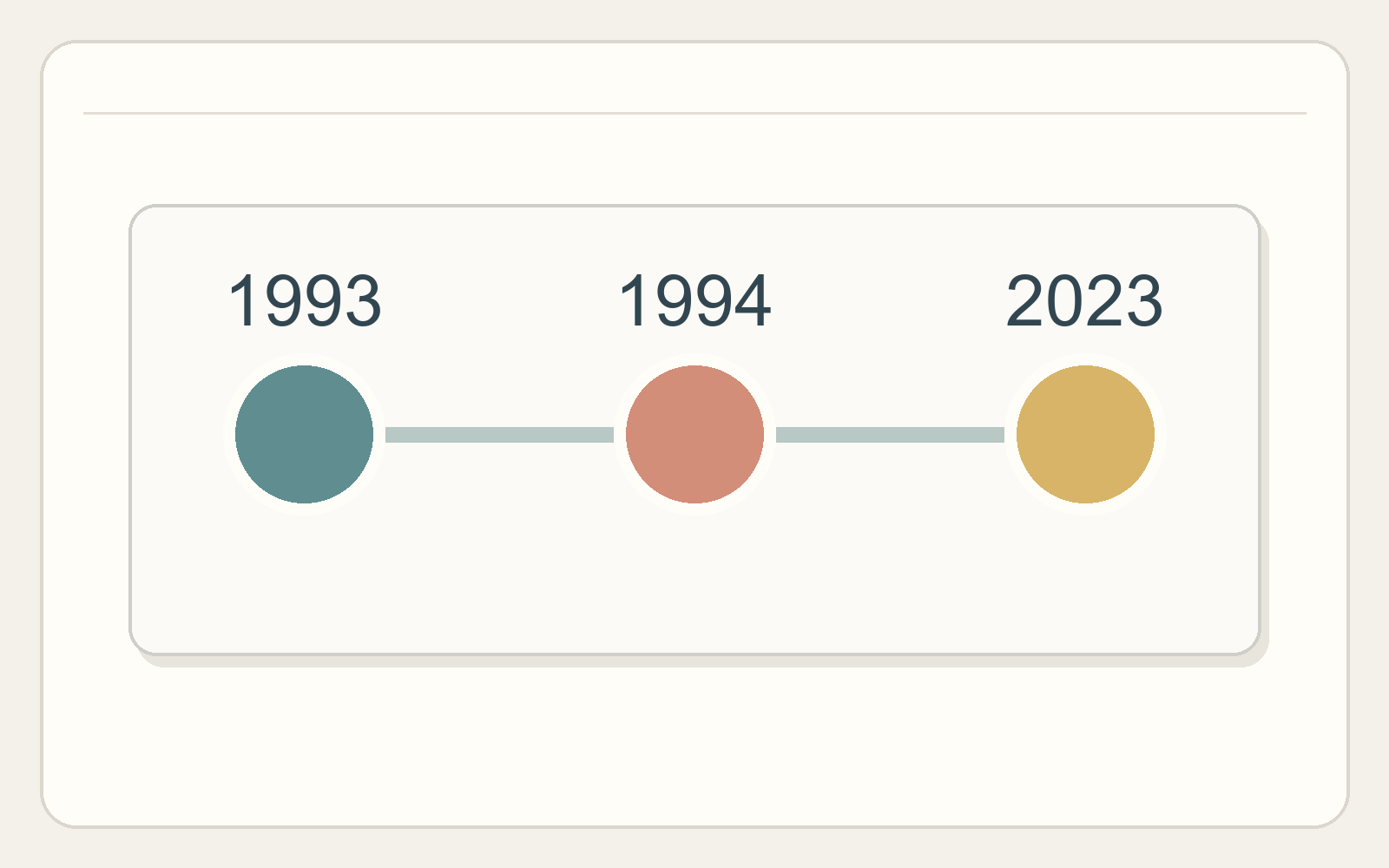
The artist’s page assigns the work to 1993 and places an installation view at the Havana Biennial in 1994.[2] Those are different kinds of date: one belongs to the work as catalogued, the other to a documented display. Treating the two as a single uncertain production year would erase a distinction the artist’s own page makes. A catalogue record held by the Universidad de la República’s Anáforas project identifies the Fifth Havana Biennial catalogue and dates it to May 1994.[6]
One document complicates the numbering. A Lucas Fragasso essay supplied on Giron’s website bears a heading that calls a 1994 Havana Biennial catalogue the IV Bienal.[3] The artist’s page and the catalogue bibliography support “Fifth,” while the essay’s own heading says “Fourth.” The discrepancy remains unresolved. We have not established why the heading differs, nor whether the essay appeared in the catalogue as the file suggests. Its discussion of knitted wool and enveloping forms can still be read as Fragasso’s interpretation, with that bibliographic limit attached.
The later life of the title is also documented, though it does not fill the technical gaps. BARRO, the artist’s gallery, lists a New York solo presentation titled Ajuar para un Conquistador in 2023.[7] That is useful exhibition history. It cannot tell us the stitch count of an object made three decades earlier, and the gallery biography’s opening image is captioned as another work. Distinguishing a renewed presentation from a fabrication record matters whenever the same title travels across time.
What the knitting evidence can bear
Proa offers a modest but important technical anchor. Its exhibition room calls the work two-needle knitting, and a separate Proa introduction from 2020 describes pullovers, socks, gloves and scarves made of merino wool with two needles.[1][4] These are two documents from one institution, rather than independent institutional witnesses. They are sufficient to avoid confusing this knitting with weaving, embroidery or crochet. They do not provide a pattern.

Consider what a knitter would still need in order to reconstruct even one piece: finished measurements, yarn weight, needle size, gauge, a shaping sequence, and a diagram or written directions for joining parts. None of those figures is given in the examined descriptions. “Two needles” by itself does not prove whether a particular garment was worked flat in one piece, assembled from several pieces, or made by some other sequence. The fact that a glove is named does not reveal the construction of its digits. Buttons are listed as material, but their location and fastening function are not specified for every item. It would be fiction to turn these gaps into confident instructions.
AWARE’s 2022 profile introduces another vocabulary: it refers to double-pointed knitting needles and hand-sewn garments, while also saying that Giron consulted a bird guide.[5] That later account may point toward a relationship between knitted fabric and hand assembly. It does not allow us to map a seam on an individual object or to decide that every piece used identical needles. The word “sewn” need not cancel the evidence for knitting; a knitted textile can also be joined or finished by hand. Here, however, that is a general technical possibility, not a verified reconstruction of Giron’s process. The honest reading sets the source statements beside each other and marks the point where observation stops.
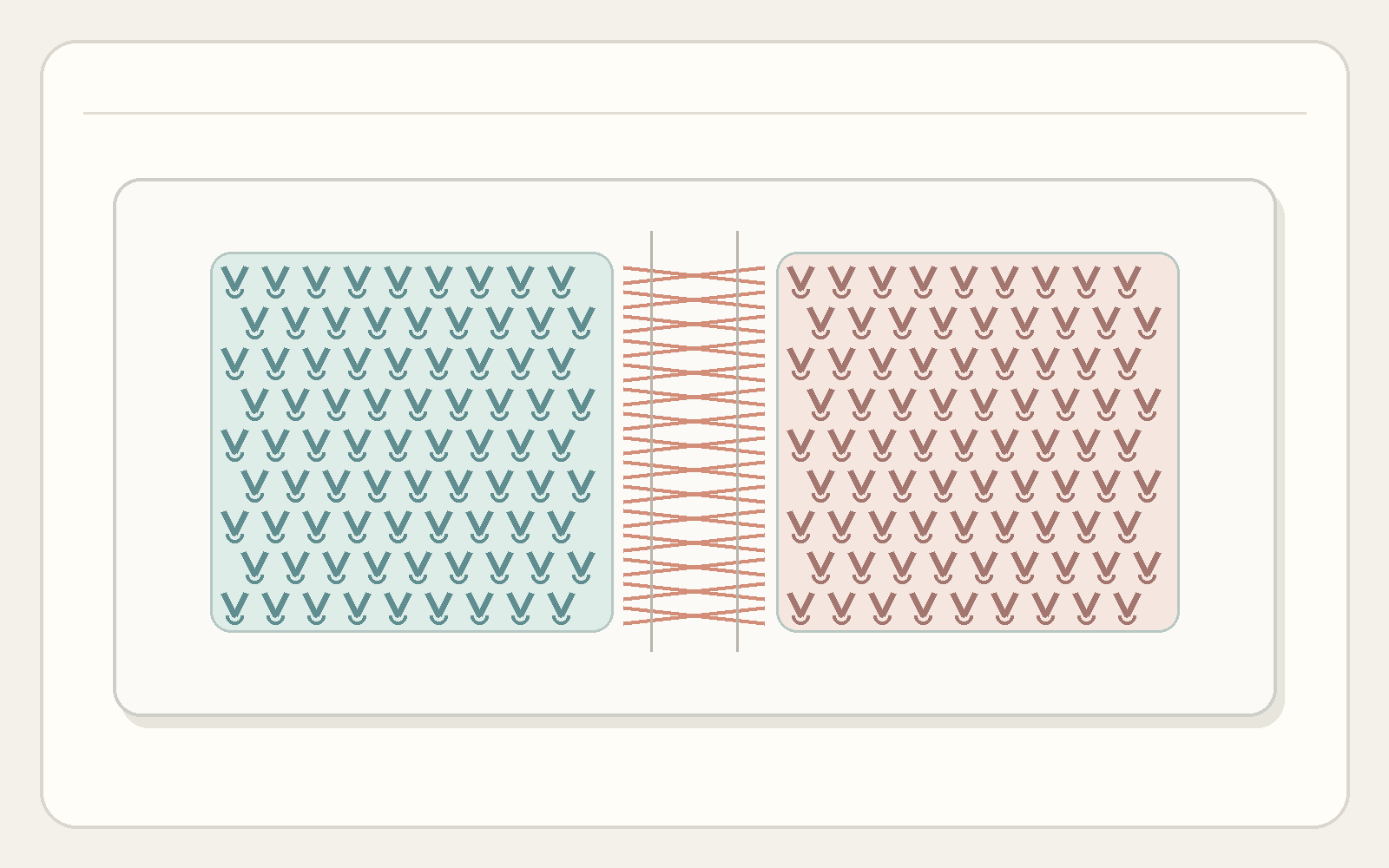
This distinction gives the work a practical lesson for pattern readers. A garment name and a material description are the beginning of a pattern, not the pattern itself. If a future museum record provides dimensions or a close study of joins, it may support a more precise account. Until then, the questions of gauge, increases, decreases and assembly should remain questions. The absence of numbers is information about the record, not an invitation to supply attractive numbers of our own.
Interpretation has an author, too
The title’s “conqueror” has invited readings beyond technique. AWARE’s profile discusses Patagonian birds and ecological threat; Proa’s later introduction connects the work with conquest and environmental questions.[4][5] These are named institutional interpretations. They make it possible to ask what happens when a person offers human clothing to a bird, and whose needs that gesture actually serves. They do not demonstrate that the garments were deployed as practical wildlife protection, or establish a conservation outcome. Nor should they be recast as a direct quotation of Giron’s intentions without a source that records her saying so.
Giron is an Argentine artist, and this is a compelling Argentine work involving knitting. It is not, on that basis, evidence for a timeless national knitting tradition. Its documented scope is a particular artist, work, set of materials, and exhibition history. Keeping that scale intact makes its questions sharper. A conventional pullover is designed around a familiar body; Giron’s garment names ask us to notice how much of that body we had silently assumed.
When you next read a small garment pattern, try asking four things before casting on. Who is the measured wearer? Which details come from an observed object and which from an interpreter’s account? Where does knitted fabric end and a fastening or seam begin? What is missing from the record that would be essential for making? Ajuar para un conquistador does not hand us those instructions. It makes the habit of looking for them more exact.
Sources and original work records
- Fundación Proa, Crear mundos exhibition room
- Mónica Giron, artist’s work page
- Lucas Fragasso, essay PDF provided by the artist
- Fundación Proa, 2020 video introduction
- AWARE, Mónica Giron profile, 2022
- Universidad de la República Anáforas, Fifth Havana Biennial catalogue bibliography
- BARRO, Mónica Giron artist biography
If you enjoyed this story, please leave a warm greeting.
No name or email is needed. Greetings are published immediately, and your country and a masked IP address may be shown. The original IP address and browser information are stored with your greeting for comment management, spam prevention and security. Privacy policy and deletion requests
This product includes GeoLite Data created by MaxMind, available from https://www.maxmind.com.